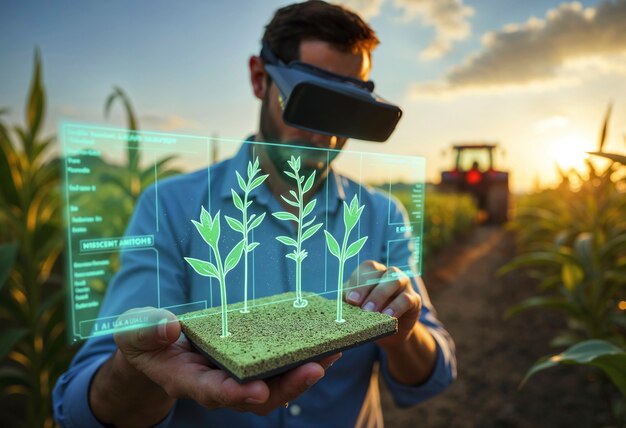

The car of the future will not be a car – researchers’ conclusions

The car of the future will not be a car – researchers’ conclusions

It takes approx. 1 minutes to read this article

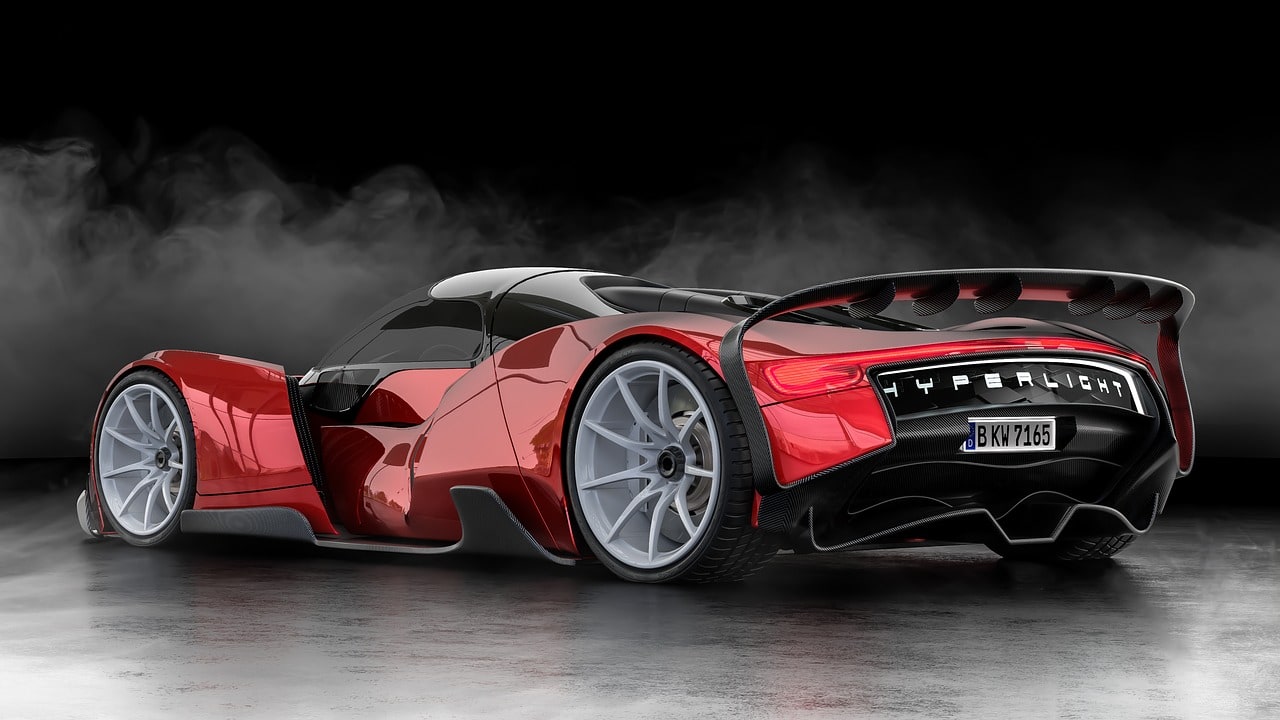
Will the cars that will appear in the next 50 years not have the form of the cars we know well? Scientists from all over the world, who study the automotive market, come to such conclusions.

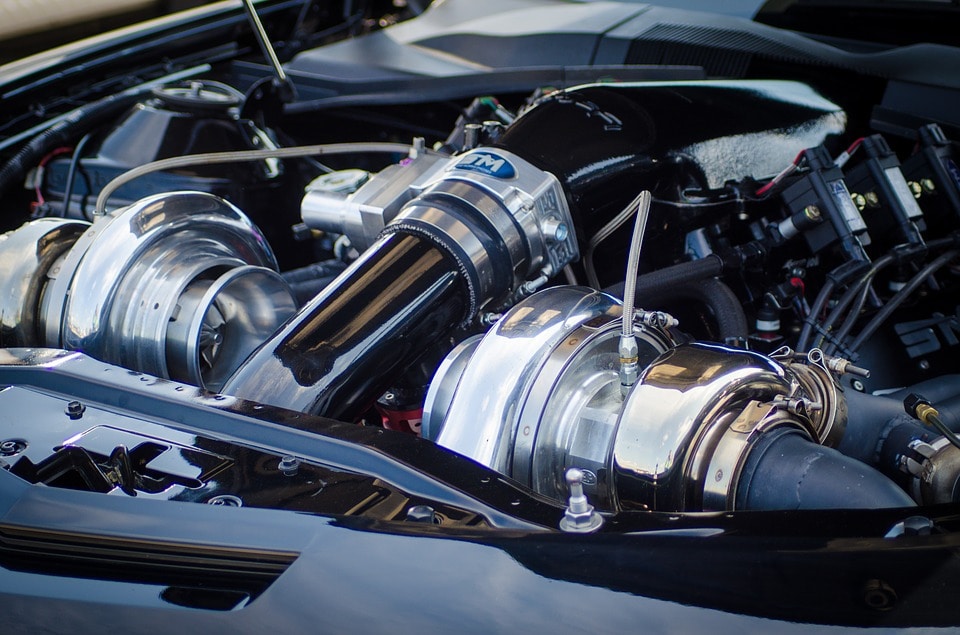
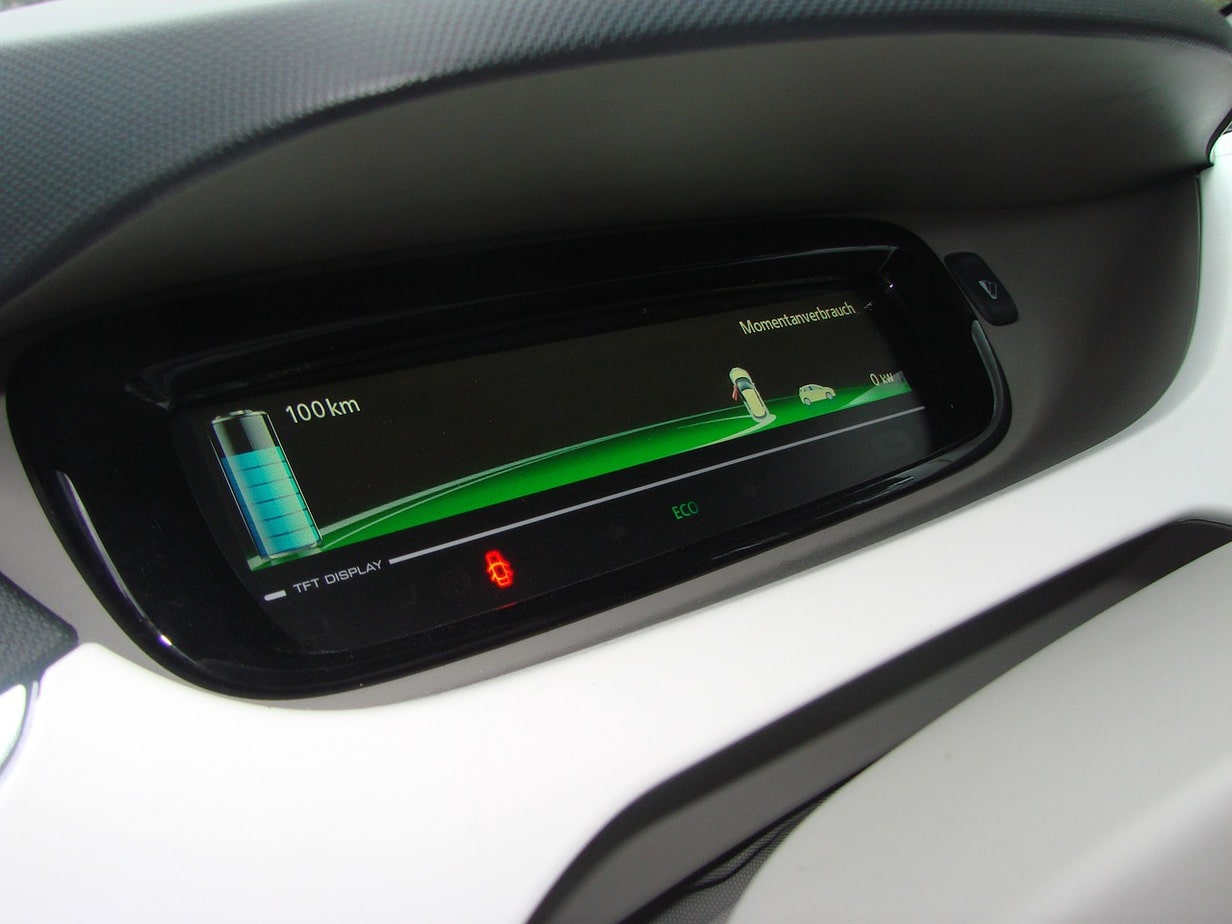
First, the cars of the future will not be powered by gasoline. They will be powered by solar energy, conventional electricity, wind or hydrogen. Gasoline, diesel and LPG will be a thing of the past.

Secondly, the cars of the future will look completely different. The vision of energy loss is very important here, hence the lack of edges, extremely streamlined shapes and small size.

Thirdly, and probably worst of all for the drivers, cars will drive themselves. In the future, the market will be completely dominated by vehicles saturated with artificial intelligence that will drive autonomously on the roads.

Do you like this vision?

(Photo: pixabay.com)
Add comment

Your email address will not be published. Required fields are marked *

*

four × two =

Recommended articles
Innovative exhaust systems – see our suggestions
What does the exhaust system market look like in 2020? We have prepared a list of the most interesting proposals, focusing both on the use in tuning and increasing the ecology of driving.
Android conquers the automotive world!
With the introduction of widespread displays on the dashboards of new cars, an opportunity has arisen for Google to dominate the automotive market as well.
Maximizing Efficiency with Industrial Floor Scrubbers in Commercial Spaces
Enhance your commercial cleaning strategy by investing in industrial floor scrubbers to streamline operations and reduce costs. Discover how these efficient machines improve cleanliness, safety, and overall productivity in large spaces.
Latest articles