
The car of the future will not be a car – researchers’ conclusions

The car of the future will not be a car – researchers’ conclusions

It takes approx. 1 minutes to read this article

Will the cars that will appear in the next 50 years not have the form of the cars we know well? Scientists from all over the world, who study the automotive market, come to such conclusions.

First, the cars of the future will not be powered by gasoline. They will be powered by solar energy, conventional electricity, wind or hydrogen. Gasoline, diesel and LPG will be a thing of the past.

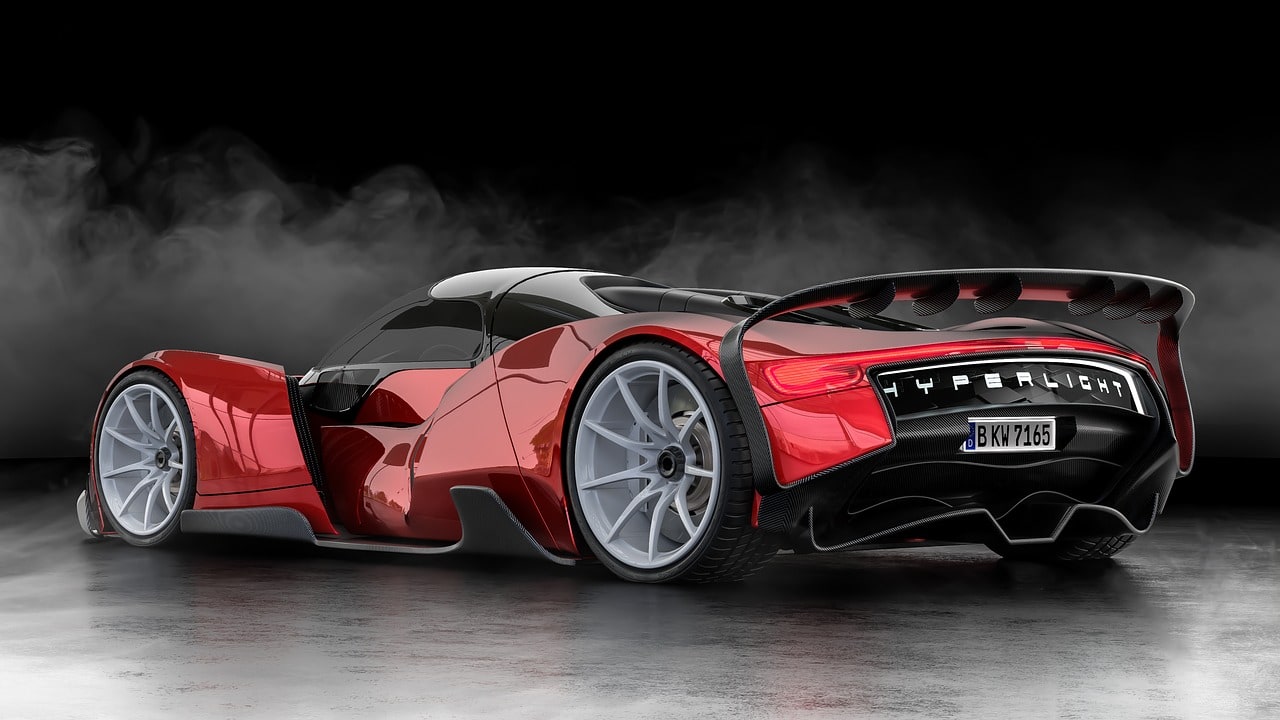
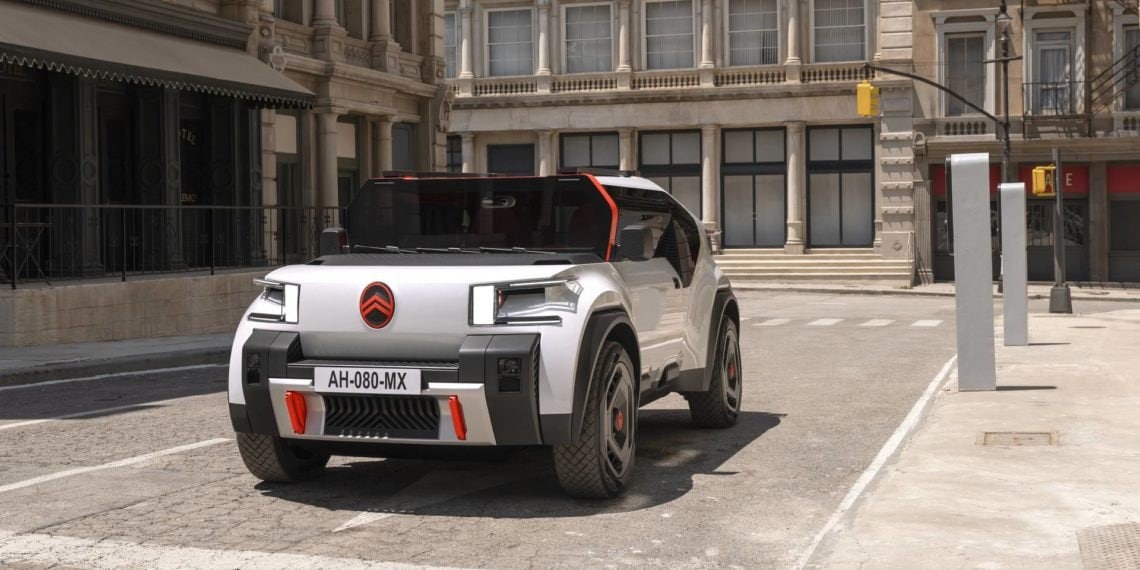
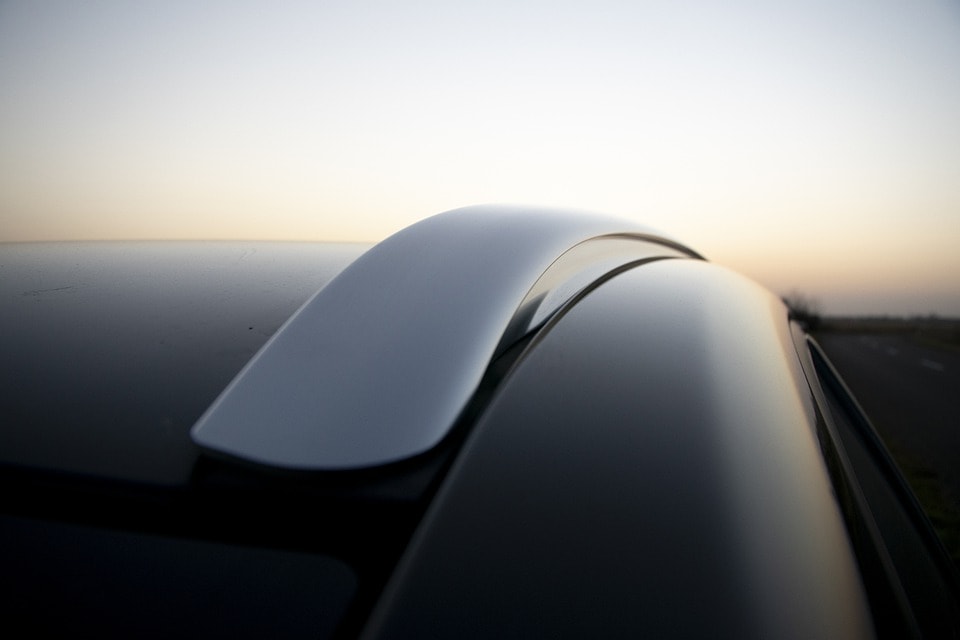
Secondly, the cars of the future will look completely different. The vision of energy loss is very important here, hence the lack of edges, extremely streamlined shapes and small size.

Thirdly, and probably worst of all for the drivers, cars will drive themselves. In the future, the market will be completely dominated by vehicles saturated with artificial intelligence that will drive autonomously on the roads.

Do you like this vision?

(Photo: pixabay.com)
Add comment

Your email address will not be published. Required fields are marked *

*

nineteen + 11 =

Recommended articles
How to choose turbo cartridges for your vehicle
Maximize your car's performance by understanding what turbo cartridges do, how they benefit your vehicle, and how to pick the right one. This guide provides insightful tips to make sure your choice boosts efficiency and power.
Car inverter – what parameters should it have?
Do you often go on business trips and plan to buy an inverter for your car? Check what parameters an inverter should have and choose the best model to make your work easier
Maximizing car performance with quality turbochargers: A comprehensive guide
Boost your vehicle's power with high-quality turbochargers. Discover how they work, their benefits and the top brands on the market in our in-depth guide.
Latest articles